Visiting Blackpool Zoo: Your complete guide
Blackpool Zoo is a family-focused wildlife park best known for its mix of big animals, walk-through habitats, and full-day outdoor exhibits. The site is large enough that you will do a fair amount of walking, but it is easy to navigate if you plan around one or two timed talks or feeds. The biggest difference between a rushed visit and a good one is route order, especially if Lemur Wood, the sea lions, or the giraffes are priorities. This guide covers timings, tickets, entrances, and what to see first.
Quick overview: Blackpool Zoo at a glance
If you want the visit to feel smooth, make a few decisions before you arrive.
- When to visit: Blackpool Zoo opens daily from 10am, with closing times varying by season. Weekday mornings outside school holidays are noticeably calmer than summer weekends and half-term afternoons, because the busiest family traffic builds later around the sea lion show, play areas, and lunch stops.
- Getting in: From £19.99 for standard entry ticket. Animal talks and feeding sessions are included in admission. It’s best to book at least two weeks in advance, as online tickets are usually cheaper than gate prices and school holidays tend to be the busiest periods.
- How long to allow: 3-4 hours for most visitors. It stretches toward a full day if you stop for keeper talks, add the Dinosaur Safari, or visit with children who want time in the play areas.
- What most people miss: Lemur Wood, Orangutan Outlook, and the newer Giraffe Heights boardwalk reward a slower pass, especially if you do not burn your time early at the sea lions.
- Is a guide worth it? For most visitors, no - the zoo is straightforward to self-navigate, and the included keeper talks add more value than paying extra just to be led around.
🎟️ Tickets for Blackpool Zoo are worth locking in ahead of weekends, school holidays, and warm-weather dates. → See ticket options here
Jump to what you need
🕒 Where and when to go
🗓️ How much time do you need?
🗺️ Getting around

🦁 Which animals to prioritize

♿ Facilities and accessibility
⚠️ Rules and restrictions
📍 Nearby attractions worth visiting

🍴 Eat, shop and stay near Blackpool Zoo
Where and when to go

How do you get to Blackpool Zoo?
Blackpool Zoo sits on East Park Drive beside Stanley Park, about 2 miles inland from the seafront and roughly a 10-minute drive from central Blackpool.
Address: East Park Drive, Blackpool, United Kingdom
- Bus: Routes 1 and 1A on East Park Drive -> short walk -> the most direct public transport option from central Blackpool.
- Taxi/rideshare: From Blackpool Promenade -> drop-off at the main entrance -> usually the simplest option if you are arriving from the seafront.
- Car: Via the A587/East Park Drive -> on-site parking -> Parking costs about £4.50 per day.

Which entrance should you use?
Blackpool Zoo uses one main public entrance, and the biggest mistake is arriving without your ticket already downloaded when the signal is weak or lines are building.
- Main entrance: Located on East Park Drive. Use this for all visitors, and have your ticket ready on your phone before you reach the gate.

When is Blackpool Zoo open?
- Monday-Sunday: Opens from 10am.
- Seasonal variation: Closing times vary throughout the year.
- Last admission: 45 min before closing.
When is it busiest? School holidays, warm weekends, and the hours around lunch are the busiest, especially near Active Oceans, Lemur Wood, and the play areas.
When should you actually go? Aim for a weekday morning outside school breaks, when animal areas feel easier to move through and you can reach the sea lions or lemurs before the main family rush.
If one of the scheduled shows or talks matters to you, anchor your route around that first and work the nearby exhibits around it. This matters most on weekends and school-holiday dates, when the best viewing spots fill well before the presentation starts.
How much time do you need?
| Visit type | Route | Duration | Walking distance | What you get |
|---|---|---|---|---|
Highlights only | Entrance -> Active Oceans -> Lemur Wood -> Project Elephant Base Camp -> Giraffe Heights -> exit | 2-2.5 hrs | Main loop only | You cover the zoo's biggest crowd-pleasers, but you will likely skip Dinosaur Safari, Orangutan Outlook, and slower stops around the cat and primate areas. |
Balanced visit | Entrance -> Active Oceans -> Lemur Wood -> Orangutan Outlook -> Big Cat Habitat -> Project Elephant Base Camp -> Giraffe Heights -> Dinosaur Safari -> exit | 3-4 hrs | Full main circuit with short detours | This is the best fit for most first visits, because it adds the newer habitats and indoor primate stops without turning the day into an endurance test. |
Full exploration | Full zoo circuit + keeper talks/feeding sessions + repeat stops at favorite habitats + play areas | 4+ hrs | Full circuit with pauses and backtracking | You get the most complete day, including timed talks and slower animal viewing, but it feels long with young children unless you build in snack and rest breaks. |
✨ The Blackpool Zoo Entry Ticket covers all visit styles, from quick highlights to a full-day experience.
The zoo is designed for easy self-navigation, so a guided route isn’t necessary. You’ll get the most out of your visit by planning around scheduled keeper talks and feeding sessions, then using the map to move efficiently between habitats without retracing your steps.
⚠️ Download your tickets before you arrive. On-site Wi-Fi is limited, and turning up without a saved ticket can slow your own entry just when the line is longest.
How do you get around Blackpool Zoo?

Zoo layout
Blackpool Zoo spans 37 acres, so allow around 2.5 hours for highlights or 3.5–4 hours for a full visit. The key flow tip isn’t just arriving early—it’s reaching Active Oceans or Lemur Wood before midday, as both attract families early and tend to hold crowds longer than expected.
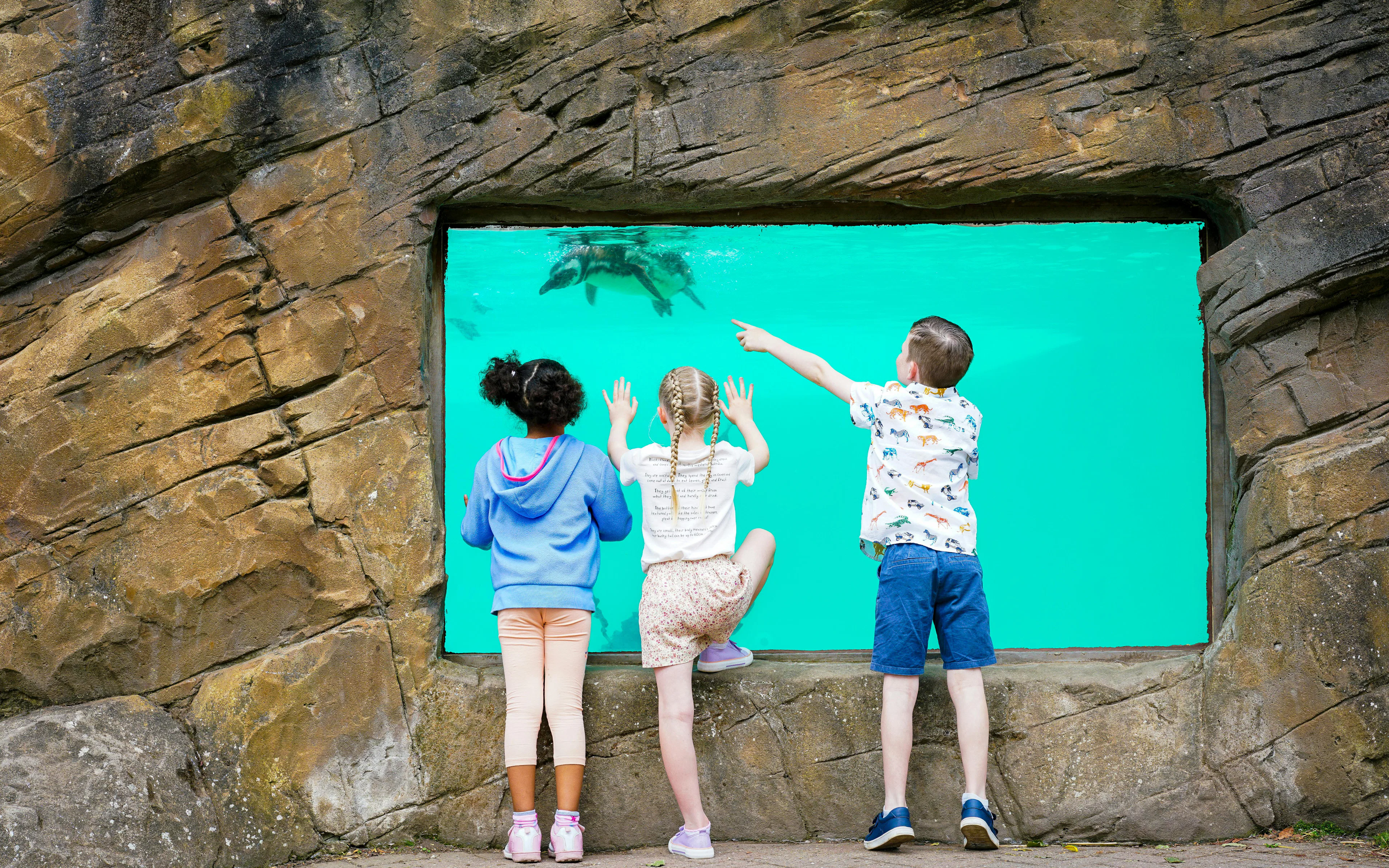
- Active Oceans: Sea lions, penguins, and one of the zoo's most popular presentation areas -> budget 30-45 min.
- Lemur Wood: Walk-through habitat with ring-tailed, red-ruffed, and red-fronted lemurs -> budget 15-20 min.
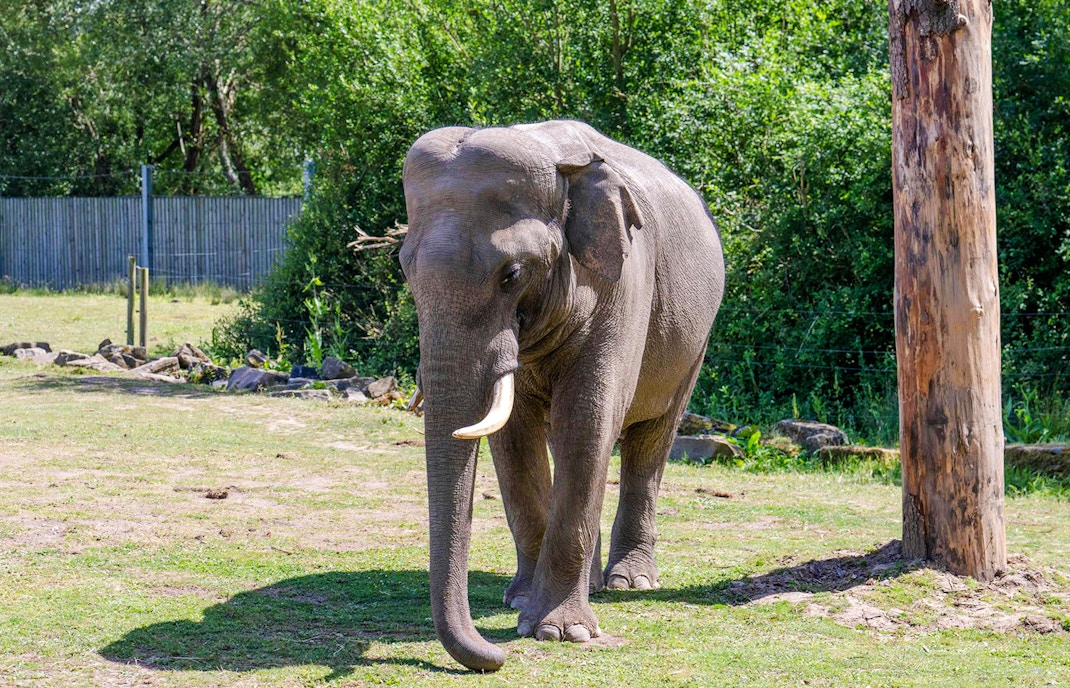
- Project Elephant Base Camp: Indoor elephant house, outdoor paddock, and adjacent smaller species -> budget 25-35 min.
- Giraffe Heights and Kidepo Trail: Raised boardwalk, giraffe viewing, and the newer savannah feel -> budget 20-30 min.
- Big Cat Habitat and Orangutan Outlook: Strong indoor-outdoor viewing for cats and apes -> budget 30-40 min.
- Dinosaur Safari: Family-focused animatronic trail with photo stops -> budget 20-30 min.
Suggested route: Start with Active Oceans if a talk is imminent; otherwise, begin at Lemur Wood, then work through orangutans, big cats, elephants, and giraffes before finishing with Dinosaur Safari and play stops. This order keeps the busiest family clusters from stacking up too early.
Maps and navigation tools
- Map: Use the zoo map online or on-site -> it covers animal zones, food stops, restrooms, and key facilities -> download it before arrival because on-site Wi-Fi is limited.
- Signage: Wayfinding is good enough for a self-guided visit, but a downloaded map still helps if you want to link indoor habitats and timed talks efficiently.
💡 Pro tip: Download the zoo map before you arrive, then pin the sea lions, Lemur Wood, and Giraffe Heights as your first three decision points.
Which animals and habitats should you prioritize?
Active Oceans
Species: California sea lions and Magellanic penguins
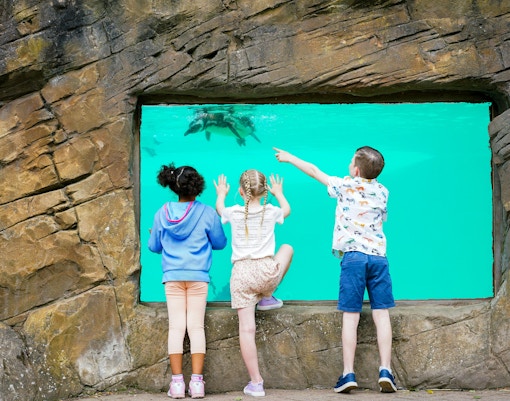
This is one of the zoo's biggest crowd magnets, and for good reason: you get the sea lion presentation energy plus the underwater penguin viewing in one stop. Most visitors focus on the sea lions and move on too quickly, but the penguin tunnel is the quieter payoff, especially once the show crowd thins. If you only do one timed stop well, make it this one.
Where to find it: Near the main family route in the marine section of the zoo.
Lemur Wood
Species: Ring-tailed, red-ruffed, and red-fronted lemurs
Lemur Wood is one of the most memorable parts of the zoo because you are walking through the habitat rather than looking in from a distance. The detail most visitors miss is how active the lemurs can be above as well as beside the path, so look up, not just ahead. It is short, but it rewards slowing down.
Where to find it: Mid-zoo in the shaded walk-through woodland area.
Giraffe Heights and Kidepo Trail
Species: Giraffes and sitatunga
This is one of the zoo's strongest newer additions, with a raised boardwalk that gives you a much better angle than ground-level viewing alone. The detail many visitors rush past is the full length of the boardwalk - not just the first lookout - because the best giraffe eye-level views are not always at the entrance platform.
Where to find it: In the giraffe zone on the expanded savannah side of the zoo.
Project Elephant Base Camp
Species: Asian elephants
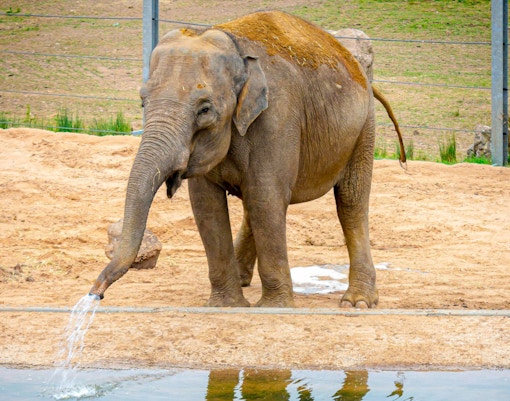
The elephant area is a flagship habitat, with a large indoor house and outdoor paddock that make it worth visiting even in poor weather. Most visitors head straight to the first viewing window and stay there, but the better move is to check both the indoor and outdoor sightlines before settling in. If a keeper talk is scheduled, build around it.
Where to find it: In the elephant complex toward the larger habitat zone of the park.
Big Cat Habitat
Species: Lions and Amur tiger
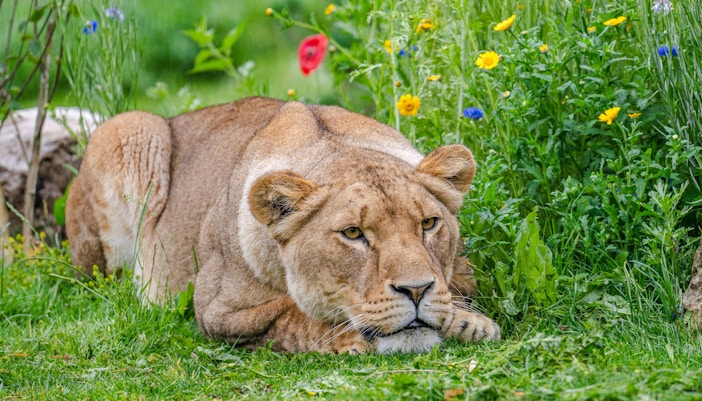
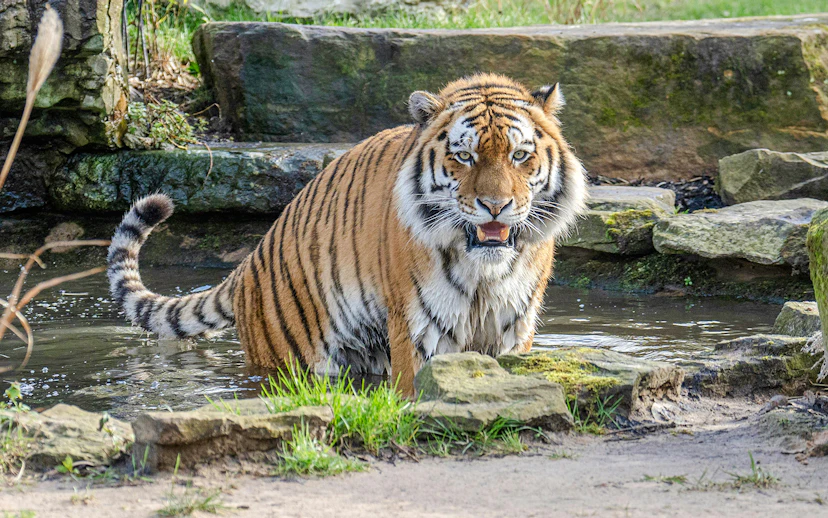
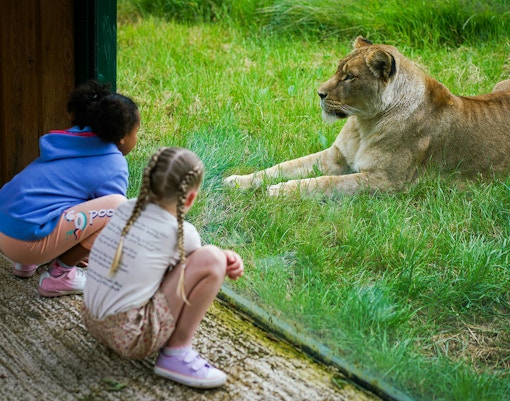
The newer cat habitat gives you cleaner sightlines than many long-time zoo visitors expect, especially through the wider viewing windows. What people often miss is that resting cats can be easier to spot after they shift positions, so do not write the habitat off after one glance. It is worth a second pass later in the visit.
Where to find it: In the modern big cat area near the central animal circuit.
Orangutan Outlook
Species: Bornean orangutans
This indoor habitat is one of the best places to pause, especially if the weather turns or you want a slower, more observational stop. The detail most visitors miss is how much of the activity happens above eye level on climbing structures, not just at the glass. Give it a few extra minutes before moving on.
Where to find it: In the indoor primate section of the zoo.
Facilities and accessibility
- 🚻 Restrooms: There is an accessible toilet at every toilet block across the zoo.
- 🍽️ Food and drink: The zoo has on-site cafes and refreshment points, but they work best as convenience stops rather than a reason to plan a long break on busy days.
- 📶 Wi-Fi: On-site Wi-Fi is limited, so do not rely on it for loading tickets or maps.
- 🅿️ Parking: There is a large on-site parking lot, and parking costs about £4.50 per day.
- 🪑 Grounds: The zoo has spacious, family-friendly grounds with shade, walking trails, and rest points that make it easier to pace a longer visit.
- ♿ Mobility: The zoo is wheelchair accessible, all public buildings have at least one wheelchair-accessible entrance, and there is an accessible toilet at every toilet block.
- ♿ Terrain: Paths include tarmac, concrete, brick, tile, dirt, and aggregate, so the route is manageable but not uniformly smooth from start to finish.
- ♿ Carers: One free carer ticket is available for each paying visitor with a disability, and proof of disability is required on arrival.
- 👨👩👧 Families and strollers: The zoo's wide paths and larger habitats make stroller use practical across most of the site, including the busier family areas.
- 🧠 Low-crowd timing: If you are managing sensory load, weekday mornings outside school holidays are the easiest window before the play areas and marine presentations fill out.
Blackpool Zoo works well for children because the mix of big animals, walk-through habitats, shows, and play spaces breaks the day up naturally.
- 🕐 Time: 3-4 hours is realistic with children if you focus on sea lions, lemurs, elephants, giraffes, and one play stop.
- 🏠 Facilities: Wide paths, accessible restrooms, family-friendly grounds, and the Playbarn help if you need to reset the pace mid-visit.
- 💡 Engagement: Use one timed keeper talk as the anchor for the day, then let the animals between those stops set the pace rather than trying to cover every habitat.
- 🎒 Logistics: Bring snacks, a charged phone, and your downloaded tickets, then arrive early enough to reach the first major animal area before lunch lines build.
- 📍 After your visit: Stanley Park is right next to the zoo and works well for a short decompression walk before heading back toward the seafront.
Rules and restrictions

What you need to know before you go
- Entry requirement: Bring your ticket and a valid photo ID, because tickets may be checked for verification.
- Booking method: Online booking is the better value, because advance tickets are cheaper than gate rates.
- Bag policy: Large suitcases and oversized baggage are not allowed inside the zoo.

Not allowed
- Oversized baggage: Large suitcases and other oversized bags should be left elsewhere before arrival.
- Walk-through areas: Treat spaces like Lemur Wood as animal-first environments, which means moving calmly and following staff directions if animals are near the path.

Photography
- Best approach: Photography works best with patience rather than equipment, especially in indoor and glass-fronted habitats.
- Key challenge: Reflections and crowding are common at ape viewing areas, penguin glass, and other enclosed spaces.
- Best opportunities: Open habitats like giraffes and early-morning viewing areas give the clearest, least obstructed shots.
Good to know
- Last entry: Last admission is 45 min before closing, so a late arrival can cut out entire sections of the zoo rather than just shortening the end of the visit.
- Weather effect: Animal visibility can shift with the weather, so indoor habitats like orangutans and elephants become much more valuable on cold or wet days.
Last admission is 45 min before closing, and that is not enough time for more than a quick pass. If you want sea lions, lemurs, elephants, and giraffes in one visit, arrive much earlier in the day.
Practical tips
- Booking and arrival: Book ahead if you can, because online tickets are cheaper than gate rates and you do not want to depend on limited on-site Wi-Fi to load them at the entrance.
- Pacing: Save energy for the back half of the visit, because elephants, giraffes, and some of the stronger newer habitats sit deeper into the route than first-time visitors expect.
- Crowd management: Weekday mornings outside school holidays work best here, because the sea lion area, lunch queues, and play stops build much faster after late morning.
- What to bring or leave behind: Bring a small day bag, a charged phone, and downloaded tickets, but leave oversized baggage elsewhere because large suitcases are not allowed.
- Weather planning: On colder or wetter days, build your route around indoor wins like Orangutan Outlook and the elephant house, then use outdoor habitats in shorter bursts between them.
- Food and drink: Either eat early or leave lunch until after the biggest animal priorities, because on-site food stops are one of the most common pain points on busy visit days.
- Kids' strategy: If you are visiting with children, do not promise every habitat; promise sea lions, lemurs, one big land animal, and one play stop, then treat the rest as bonus time.
What else is worth visiting nearby?
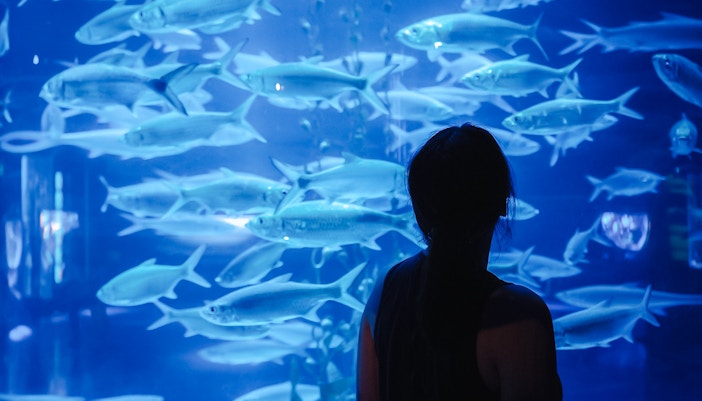
Commonly paired: SEA LIFE Blackpool
- Distance: About a 10-min drive
- Why people combine them: It keeps the wildlife theme going while giving you an indoor follow-up, which is especially useful if the weather turns after your zoo visit.

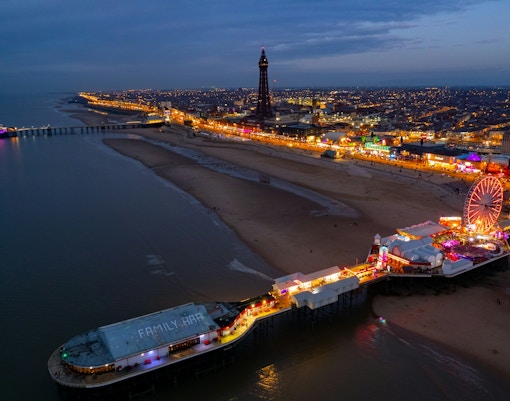
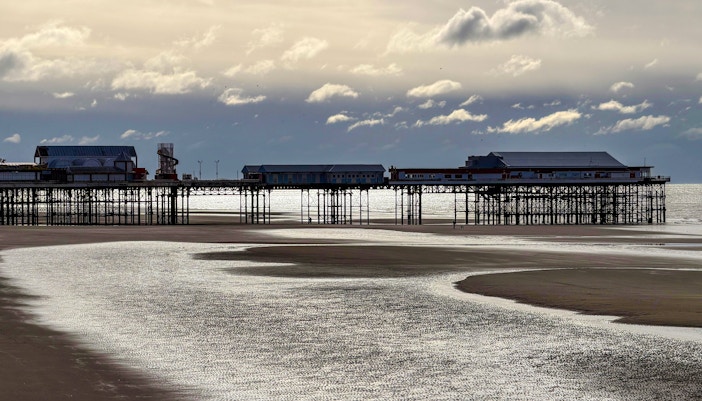
Commonly paired: Blackpool Tower
- Distance: About 3.5 km - roughly a 10-min drive
- Why people combine them: It is an easy second stop if you want one outdoor attraction and one classic Blackpool landmark in the same day without committing to another full-length experience.
Also nearby
Blackpool Pleasure Beach
- Distance: About 3 km - roughly 8 min by car
- Worth knowing: This works better for older children or teens after the zoo, especially if your morning was animal-focused and you want a very different second half of the day.
Stanley Park
- Distance: Adjacent to the zoo
- Worth knowing: It is the easiest add-on of all, because you can slow the day down with a lakeside walk instead of jumping straight back into Blackpool's busier seafront pace.
Eat, shop and stay near Blackpool Zoo
- On-site: Blackpool Zoo has a main café and kiosk-style food outlets across the park, offering hot meals, sandwiches, ice cream, and drinks in a casual, family-friendly setting. Expect it to be busiest around midday.
- Better options nearby: Blackpool town centre is the closest area for more variety, located about a 5–10 minute drive or short taxi ride from the zoo.
- The Tea Room at Stanley Park (10–15 min walk, Stanley Park Drive): Café-style British food and light lunches in a scenic park setting. Good for a calm pre- or post-zoo stop without going into town.
- Bispham Kitchen (8–10 min drive, Red Bank Road): Traditional fish and chips with generous portions and strong local reputation. A solid post-visit casual meal option.
- Blackpool town centre cafés & chains (10 min drive, Church Street / Victoria Street area): Range of quick-service cafés, pubs, and international chains suitable for flexible timing before or after your visit.
- The Tea Room at Stanley Park (10–15 min walk, Stanley Park Drive): Café-style British food and light lunches in a scenic park setting. Good for a calm pre- or post-zoo stop without going into town.
💡 Pro tip: Eat either just before opening or after 2 pm to avoid peak café queues inside the zoo, especially during weekends and school holidays. Most families cluster around lunchtime between 12 pm and 1:30 pm.
- Blackpool Zoo Gift Shop: Located near the main exit, the gift shop sells plush toys, animal-themed souvenirs, clothing, and standard zoo memorabilia. It’s well integrated into the exit flow, so most visitors pass through it naturally at the end of the visit.
- Nearby shopping: For more extensive shopping, Blackpool town centre (about 10 minutes away by car) offers high-street retail stores, souvenir shops, and seaside-themed gift outlets along Church Street and the Promenade.
If your main goal is a zoo visit with easy parking, staying inland near Stanley Park can work for a short, practical stop. For most travelers, though, the seafront is still the better base because it gives you more food, transport, and evening options once the zoo closes.
- Price point: The area around the zoo is more about convenience than variety, while the seafront gives you a broader range of hotel prices and dining choices.
- Best for: Visitors arriving by car who want a low-hassle zoo morning without crossing town first.
- Consider instead: Blackpool Promenade or the central seafront if you want the zoo plus SEA LIFE, the Tower, or evening entertainment in one easy base.
Frequently asked questions about visiting Blackpool Zoo
Most visits take 3-4 hours. If you move quickly and focus only on the biggest crowd-pleasers, you can do a shorter highlights visit in around 2-2.5 hours, but families, play stops, and keeper talks usually push the day longer.
Yes, it is the smartest way to visit. Online tickets are cheaper than gate rates, and booking ahead also means you can download everything before arrival instead of relying on limited on-site Wi-Fi.
Aim to arrive about 15-20 minutes early. That gives you enough time for parking, ticket checks, and getting through the entrance without immediately starting the day behind the busiest family flow.
Yes, a normal day bag is fine, but large suitcases and oversized baggage are not allowed. A small bag is the better choice anyway, because you will be walking for several hours and may want quick access to snacks, water, and your phone.
Yes, most visitors take plenty of photos throughout the zoo. The real challenge is not permission so much as timing and positioning - indoor glass, crowd build-up, and active habitats like sea lions or lemurs all reward a slower approach.
Yes, Blackpool Zoo works well for groups, and group visits are offered for larger parties. If you are traveling as a school or organized group, book ahead, because advance arrangements and coach planning make a much bigger difference here than trying to organize on the day.
Yes, it is one of the zoo's strongest use cases. The mix of big animals, walk-through habitats, talks, Dinosaur Safari, and play areas keeps the visit varied enough that children usually stay engaged longer than they would in a more traditional animal park.
Yes, the zoo is wheelchair accessible, but the surfaces are mixed rather than perfectly uniform. You will move across tarmac, concrete, brick, tile, dirt, and aggregate, and there is an accessible toilet at every toilet block plus wheelchair-accessible entrances to public buildings.
Yes, food is available on-site. It is convenient for quick breaks, but busy-day queues are one of the most common frustrations, so many visitors either eat early, bring snacks, or save a bigger meal for after the zoo.
Yes, there is on-site parking. It costs about £4.50 per day, and it is the simplest arrival option if you are driving in from the Blackpool seafront, Preston, or elsewhere in the region.
Weekday mornings outside school holidays are the easiest time to visit. You get lighter foot traffic, easier photos, and a better chance of reaching popular habitats like Active Oceans and Lemur Wood before the lunch crowd builds.
Buy them online before you arrive. That gives you the best headline price, reduces stress at the gate, and avoids the problem of trying to access tickets on limited on-site Wi-Fi.