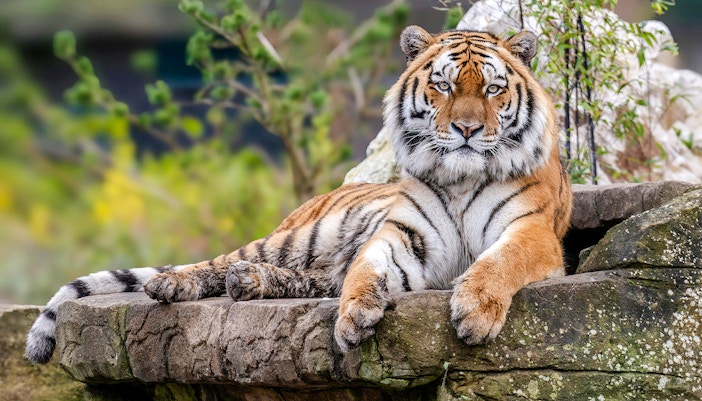
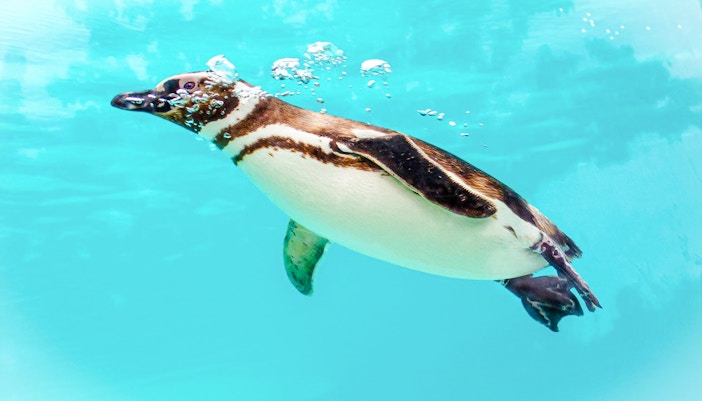
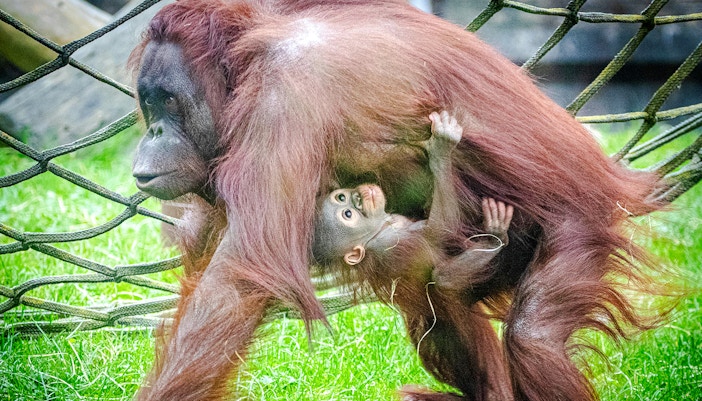
Start at Project Elephant Base Camp, then continue through Gorilla Mountain and Orangutan Outlook. Move on to Giraffe Heights and the Big Cat Habitat before heading into Lemur Wood. Finish with Penguin Pool and Active Oceans, and end at Dinosaur Safari.
Quick Information
RECOMMENDED DURATION
4 hours
Timings
10:00–17:45
VISITORS PER YEAR
500000
TICKETS
From $26.97
EXPECTED WAIT TIME - STANDARD
30-60 mins (Peak), 0-30 mins (Off Peak)
Did you know?
Blackpool Zoo opened in 1972 on the site of the former Stanley Park Aerodrome, which helps explain the open layout of the grounds.
The zoo keeps around 1,000 animals from about 125 species, spanning mammals, birds, reptiles, and more.
Blackpool Zoo is a member of both BIAZA and EAZA and takes part in European breeding programmes for threatened species.
Is Blackpool Zoo worth visiting?
Blackpool Zoo feels like stepping into a relaxed pocket of nature just a few minutes from the buzz of the seaside. The atmosphere is open, green, and family-oriented, with wide pathways, lake views in Stanley Park next door, and the distant sounds of animals carrying through the air. It’s not rushed or overwhelming; instead, it’s designed for slow wandering, where you move between habitats at your own pace.
The zoo was originally built with a clear ambition: to bring people closer to wildlife and support conservation and education, while creating a space where families could connect with animals in a meaningful, accessible way. That mission still shapes everything you see today, from the spacious enclosures to the focus on endangered species.
The emotional payoff is simple but strong: a sense of calm connection. Watching gorillas, big cats, or elephants up close leaves most visitors with a quiet appreciation for wildlife that sticks long after they leave.
Skip it if you’re expecting a fast-paced thrill attraction or only have under 90 minutes, as the experience is best enjoyed slowly over 2–3 hours.
What to see at Blackpool Zoo?
1/9
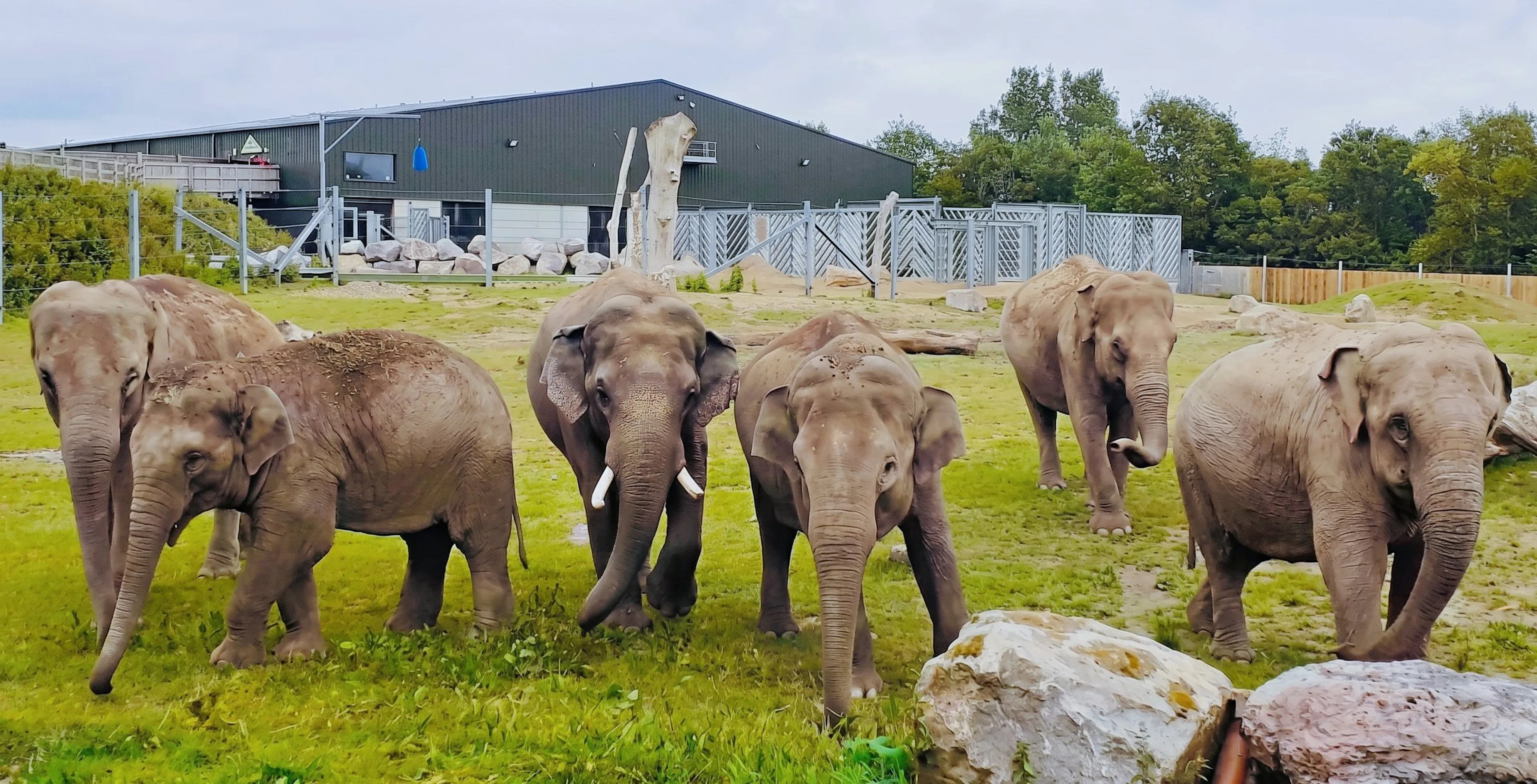
Project Elephant Base Camp
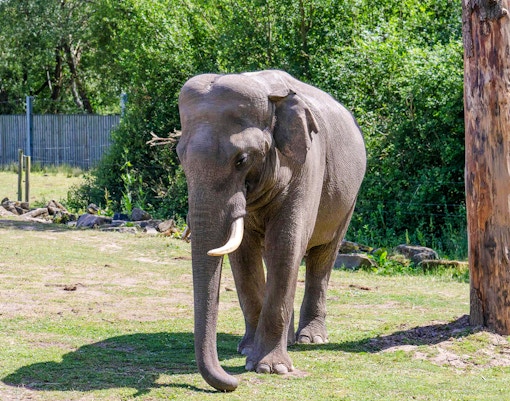
Project Elephant Base Camp is the largest habitat at Blackpool Zoo, built around the care and daily life of the Asian elephant herd. Feeding sessions and social interaction are regularly visible from indoor and outdoor viewing areas, making it one of the most visited parts of the zoo.
Gorilla Mountain
Gorilla Mountain is a major primate habitat for western lowland gorillas, with indoor and outdoor viewing spaces that reveal group behaviour throughout the day. Social interaction and movement patterns shift constantly, which makes it one of the most engaging areas in the zoo.
Orangutan Outlook
Orangutan Outlook is a dedicated habitat for orangutans, designed with elevated viewing points that reveal climbing, resting, and enrichment behaviour. Movement between structures and interaction within the troop are key highlights here.
Giraffe Heights
Giraffe Heights is an open savannah-style habitat where giraffes are viewed from raised platforms and feeding areas. Feeding sessions draw attention to close-range interactions and make this one of the most photographed zones in the zoo.
Big Cat Habitat
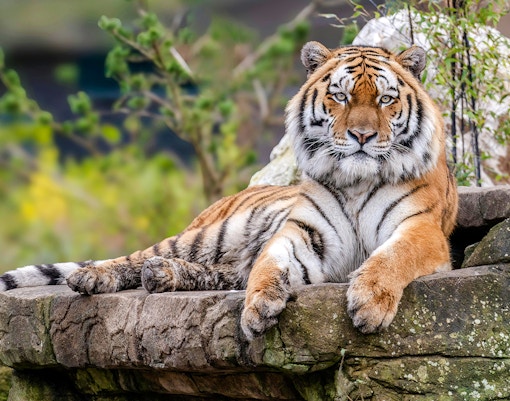
The Big Cat Habitat houses lions and tigers in spacious enclosures designed to support natural movement and resting behaviour. Activity levels vary throughout the day, with feeding periods offering the clearest viewing opportunities.
Lemur Wood
Lemur Wood is a walkthrough habitat shared with free-roaming lemurs in a woodland-style environment. Movement through the space brings frequent close encounters and makes it one of the most interactive areas in the zoo.
Penguin Pool
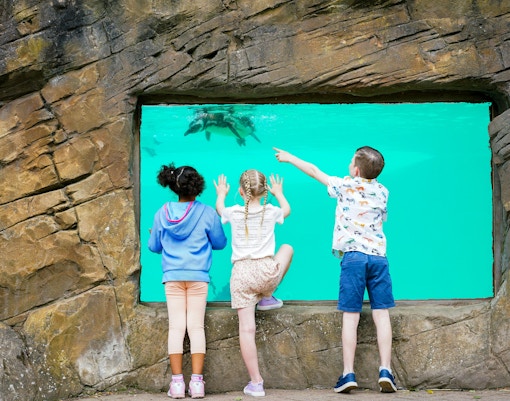
The Penguin Pool is a coastal-themed habitat for Humboldt penguins, with swimming, diving, and feeding behaviour visible from both surface and underwater viewing points. The underwater sections provide a clear view of movement patterns.
Active Oceans
Active Oceans is an indoor aquatic habitat focused on underwater life and marine displays. Glass viewing panels reveal movement below the surface, creating a slower, observation-led experience within the zoo.
Dinosaur Safari
Dinosaur Safari is a themed outdoor trail featuring life-sized prehistoric models positioned along a landscaped walking route. It functions as a lighter, family-focused attraction within the wider zoo experience.
Plan your visit around feeding times
Feeding sessions and keeper talks take place throughout the day across key habitats, including elephants, penguins, and big cats, offering some of the most active and engaging moments of the visit. Timings change daily based on the schedule, so checking the board on arrival is the best way to plan your route around them.
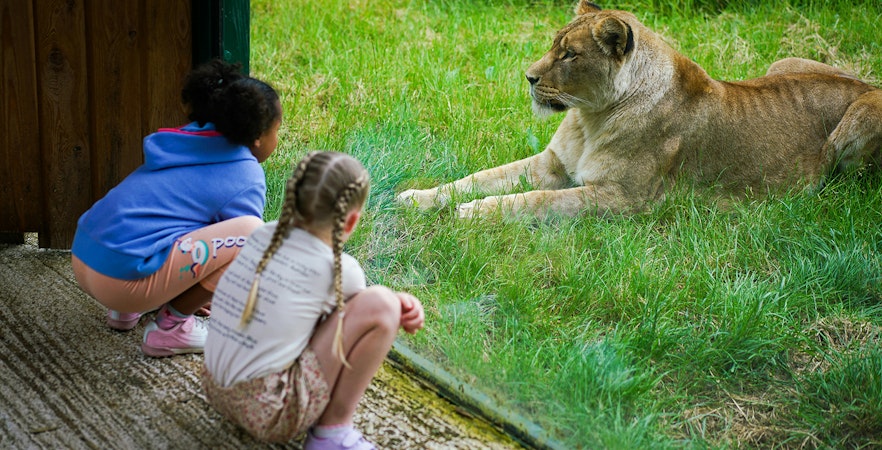
How to explore Blackpool Zoo
Budget 3 to 4 hours for a comfortable visit, as Blackpool Zoo is spread across multiple themed habitats with both indoor and outdoor viewing areas. A shorter visit of around 2 hours is possible, but it limits you to the main highlights.
Suggested route
Must-see
Project Elephant Base Camp, Gorilla Mountain, Giraffe Heights, Lemur Wood, and Penguin Pool.
Optional
Dinosaur Safari and Children’s Farm can be skipped if time is limited or deprioritised unless visiting with younger children. Active Oceans is a quieter indoor stop suited for breaks or poor weather.
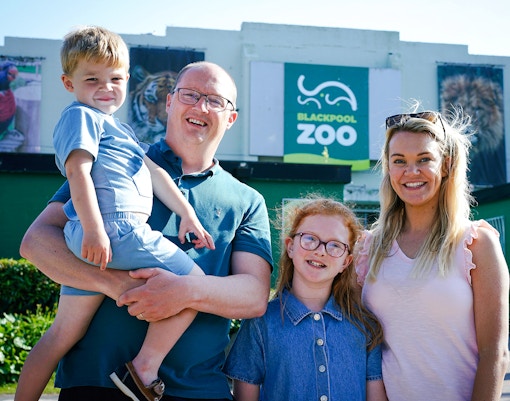
Guided vs self-paced
The zoo is designed for self-paced exploration with clearly marked pathways between habitats. A fixed route isn’t required, and most visits naturally adjust based on animal activity and feeding times.
Brief history of Blackpool Zoo
- 6 July 1972: Blackpool Zoo opens on a 32-acre site in Stanley Park. The launch is led by Johnny Morris of Animal Magic, who arrives on an elephant alongside the mayor.
- 1993: The zoo undergoes administrative restructuring, gaining greater operational flexibility. A new entrance and retail facilities are introduced, marking the start of a more modern visitor experience.
- 1999: Expansion continues with the arrival of Asian elephants from Berlin State Circus. Lemur Wood is developed on the former giant tortoise enclosure site.
- 2000–2002: Major habitat redevelopment begins with Gorilla Mountain opening in 2000, followed by a red panda enclosure in 2002.
- 2003–2007: Management changes under Grant Leisure Ltd in 2003 trigger large-scale redevelopment, including a new entrance building (2005), Dinosaur Safari, and Amazonia (2006).
- 2014–2015: Orangutan Outlook opens as a major habitat, followed by the Education Academy in 2015 in the former air traffic control tower.
- 2017–2018: The zoo marks major milestones, including its 45th anniversary and 15 millionth visitor. Project Elephant Base Camp opens in 2018 as the largest development in its history.
- 2019–2022: New conservation and aviary developments open, including World of Wings. In 2022, Blackpool Zoo celebrates its 50th anniversary alongside major redevelopment plans for big cats, penguins, and visitor facilities.
Architecture of Blackpool Zoo
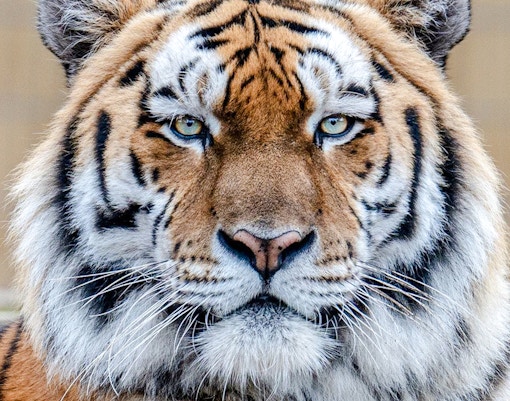
Style
Modern zoological landscape design focused on immersive, naturalistic habitats rather than formal architectural structures. The emphasis is on environmental realism, animal welfare, and open viewing experiences.
Materials
Steel framing, reinforced glass viewing panels, timber walkways, and extensive landscaping are used to create durable, natural-feeling environments that support both animal care and visitor visibility.
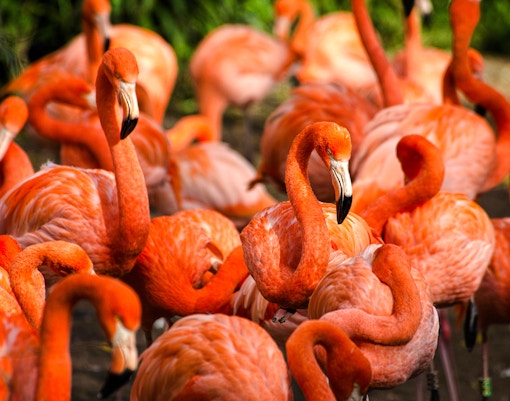
Design approach
Blackpool Zoo has no single architect; instead, it has evolved through phased master planning by zoological designers and habitat specialists. Each major exhibit is designed as a self-contained environment within the wider park layout.
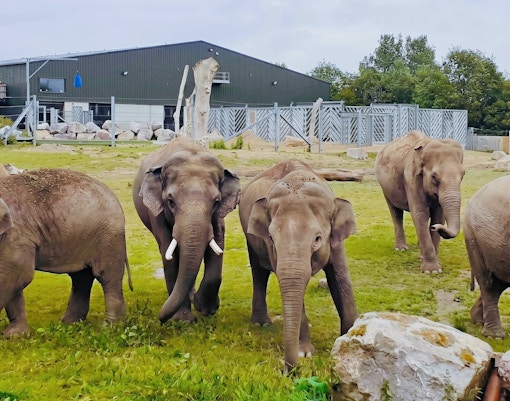
Experiential detail
The design removes traditional barriers through open sightlines, elevated platforms, and glass-fronted enclosures, creating close yet controlled viewing experiences that emphasise immersion in naturalistic settings.
Who built Blackpool Zoo?
Blackpool Borough Council developed and opened Blackpool Zoo in 1972 as part of a civic leisure and education initiative. The zoo has since evolved through multiple redevelopment phases guided by zoological planners and habitat designers rather than a single architect, with a consistent focus on modern animal welfare and immersive exhibit design.
Frequently asked questions about Blackpool Zoo
Yes, especially if you enjoy well-designed, walkable wildlife parks with immersive habitats. The zoo is known for close-up viewing areas like Project Elephant Base Camp and Gorilla Mountain, making it more engaging than traditional enclosures.
Most visitors spend between 3 and 4 hours exploring at a relaxed pace. A shorter 2-hour visit is possible if you focus only on key habitats, but you’ll miss many of the themed zones and indoor exhibits.
Project Elephant Base Camp, Gorilla Mountain, Orangutan Outlook, and Lemur Wood are the core highlights. Penguin Pool and Active Oceans are also worth prioritising for underwater viewing and interactive marine displays.
Yes, it is highly family-friendly with wide paths, open viewing areas, and dedicated attractions like the Children’s Farm and Dinosaur Safari. The layout is easy to navigate, making it suitable for pushchairs and younger children.
Late morning to early afternoon offers the most animal activity across habitats. Arriving early helps avoid queues and gives more time to cover larger zones like the elephant and primate areas before peak crowds build.
Yes. Advance booking is recommended during weekends, school holidays, and summer months to avoid queues at entry. It also helps secure preferred visit times and smoother entry on busy days.